

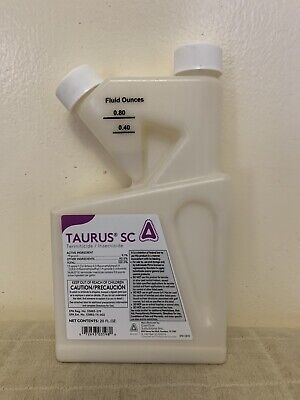

Fipronil is an insecticide that is effective in killing termites. It works by interfering with the insect’s nervous system, causing paralysis and death. Fipronil is a relatively new insecticide, and is not as well known as some of the other products on the market. However, it has been shown to be effective in killing termites, and is considered to be a safe and effective option for termite control.
Termites have very social habits, which make them extremely well-organized insects. It is a small part of nature, and it consumes wood from fallen trees as a source of energy. If there is no termites in these trees, they will take a long time to decompose. Pest control companies can provide you with a wide range of options for controlling your pet. Fipronil is an important component in many brand products, such as Regent and Termidor. Grass granules, gel baits, liquid products, spot-on-per products, and other items are available for purchase. The product has been tested in a wide range of countries around the world.
In addition to killing termites by mouth and contact, it eliminates them by mouth. Fipronil exposure in the short term is not dangerous, but should be avoided. Skin irritation and short exposure can cause vomiting, sweating, weakness, and pains in the stomach, among other symptoms. The product you’re swallowing may contain some ingredients that you shouldn’t touch after swallowing it. Termites have the potential to destroy entire cities and even humans. Fipronil, which works slowly and stays undetected, is one of the most commonly used pesticides. You mix the poison with the cellulose termites as if they were eating them in order to use it as a termite bait. During liquid treatment, you apply poison to the soil near the house.
Fipronil 2.5 E.C. is 100% effective against termite control in buildings with a five-year lifespan, according to an experimental study. Fipronil 2.5 E.C. is 0.25 and above concentrations (a/i). It is not a particularly hardy species because it is relatively immobile in soil and has a low potential to leach into groundwater.
What is the best chemical to kill termites? Fipronil and hexaflumuron are the two most commonly used chemicals in the fight against termites. Fipronil is a type of chemical that is used as an active ingredient in a wide range of liquid termiticides. When the amount is high enough, it can kill termites on contact.
For termites to be eradicated naturally, sodium borate, or borax powder, must be used. When you sprinkle the powder on termites and the affected area, you can either spray or paint it on them with a solution of the powder and water. A termite repellant solution can also be painted over the surfaces of wood and other porous materials.
The type and concentration of termiticides influence the number and type of formosanus. Fipronil was responsible for the highest mortality rate of termites released into the top foraging chamber, as the majority were killed before being repelled by the dead nestmates, followed by imidacloprid.
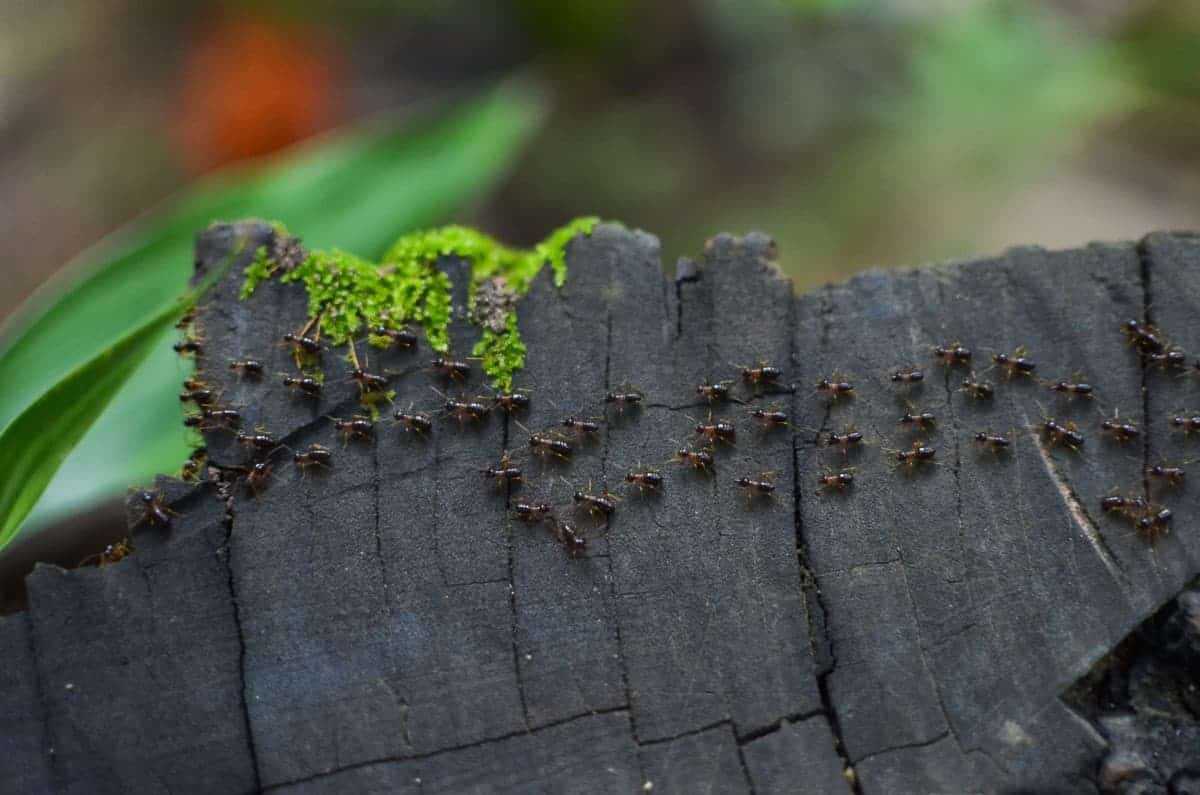
Fipronil is a termite killing agent that is fast-acting and long-lasting. It is applied to the soil and around the foundation of a home to create a termite-resistant barrier. Fipronil takes about 48 hours to kill termites that come in contact with it.
Fipronil, a slow-acting but effective chemical, can be used against termites. The chemical will kill the termites for at least 24-36 hours after being used. It has a long-term effect on the treated area that can last up to 90 days. Learn more about termite management in the following sections. Fipronil can be sprayed to kill termites around your house quickly and effectively. Because they target more specific areas, they can be used to treat lice, fleas, and ticks. Do not use them in hot or dusty areas because they can dry out or lose their effectiveness.
Termites can nest on all of your home’s wood components if they are six inches above ground. Inspect the walls for cracks and holes, as well as the windows, to ensure they are properly sealed and caulked. Termites will eat your home if moisture-rich soil is allowed to accumulate on the foundation. Apply Diatomaceous Earth to the soil where termites thrive. As a result, their bodies would change and the water inside them would become polluted, eventually killing them. Food-grade diatomaceous earth is also safer for your crops. To avoid being exposed to children, wear gloves and a mask while applying.
Fipronil, a widely used pesticide, is used to control ants, beetles, cockroaches, fleas, ticks, termites, mole crickets, thrips, rootworms, weevils, and a variety of other insects. The active ingredient has a long-lasting residual, so it can last up to 90 days, so if your infested area is large, you won’t have to reapply as frequently as if you had very small infestations. Fipronil hydrolysis can be performed at pH 5 and 7 on both acidic and alkaline surfaces. A termite treatment typically results in an insect death within 1 to 2 days, but if applied multiple times, it can take up to 6 months for the queen to die.
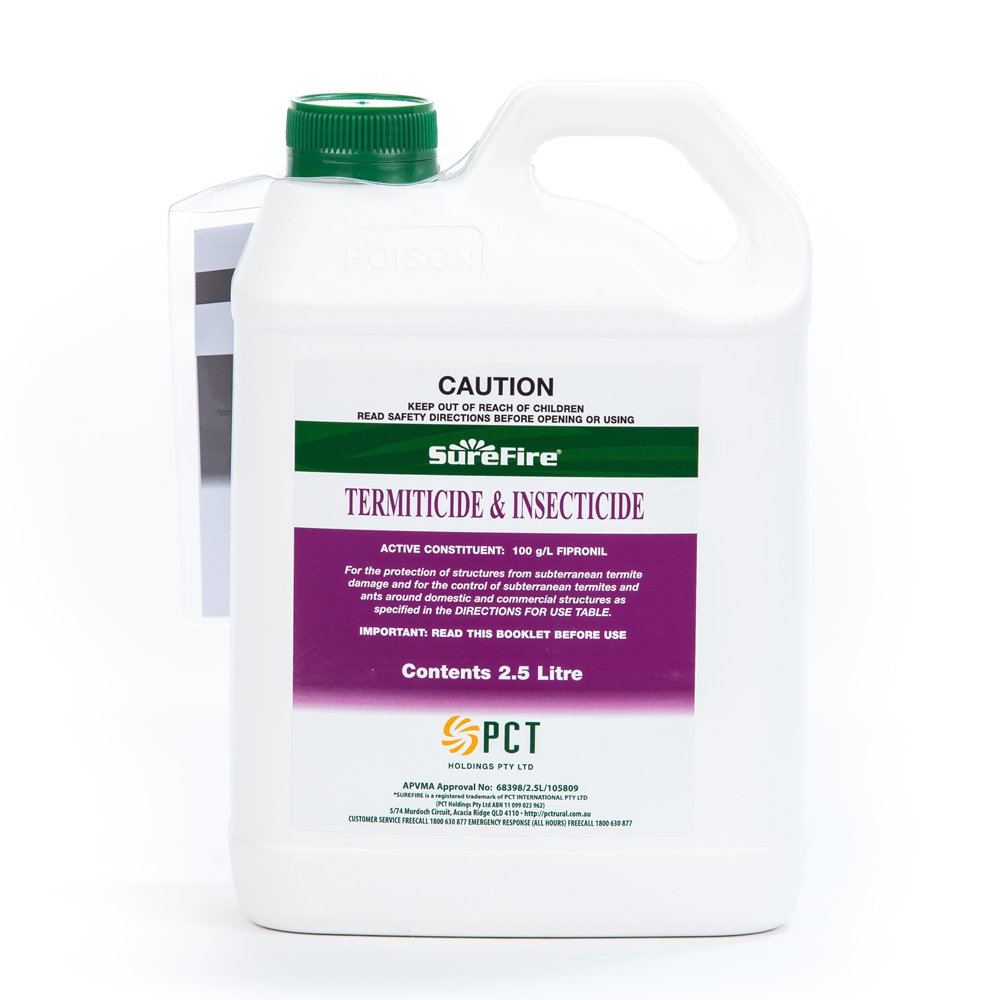
Fipronil is an insecticide that is used for termites. It is a broad-spectrum insecticide that is used to kill termites. Fipronil is a white powder that is mixed with water and applied to the soil around the foundation of a house.
Fipronil, a chemical used in termite control, is the most commonly used termiticide in the United States. Termidor is the only termiticide that can kill termites as well as eliminate termite colonies. Termidor – (Fipronyl) is the most popular termiticide in the United States, and it is the only one that does not cause termites to die.
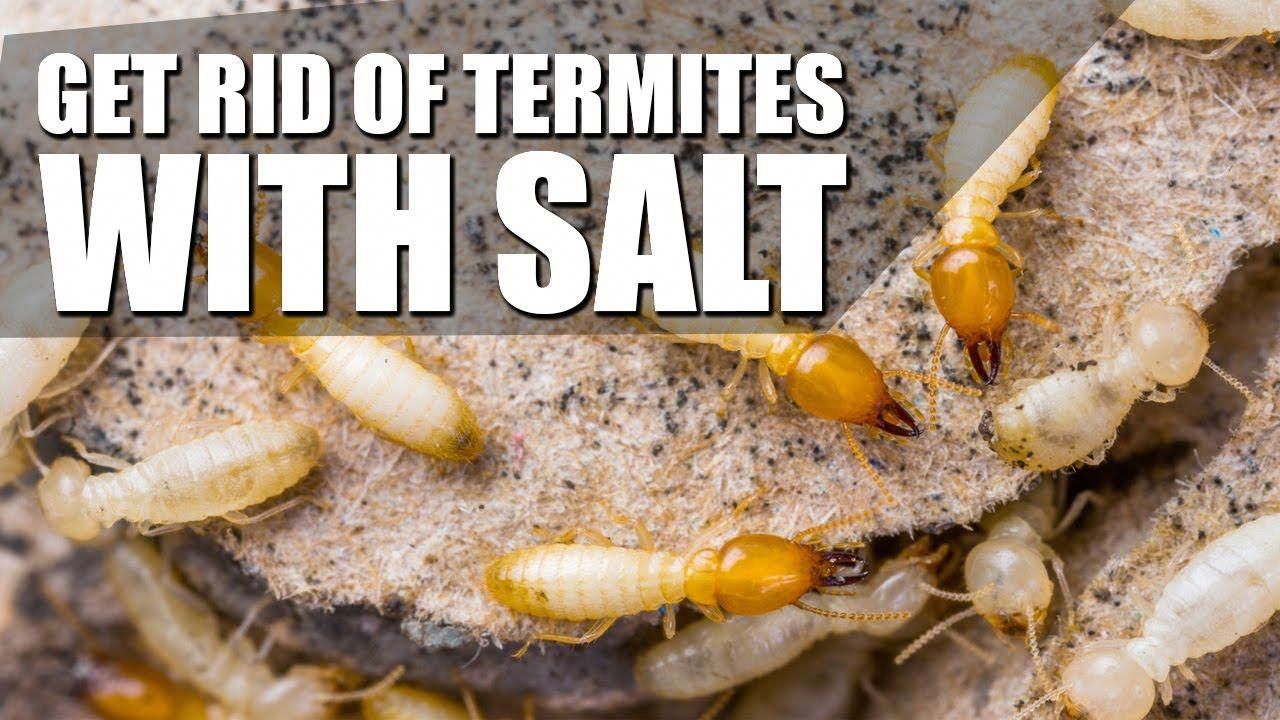
There is no known permanent method to killing termites. Some methods may work for a short period of time, but eventually the termites will adapt and become resistant. The best way to prevent termites is to have a regular pest control company inspect your home and treat for termites on a regular basis.
This is an abbreviated guide to nine natural ways to kill termites that work. Boric acid, as a natural pesticide and wood preservative, does not kill termites on contact. If you want to keep termites at bay, cayenne pepper is an excellent organic pest control. Capsaicin is a chemical compound in cayenne pepper that gives it its intense heat. This chemical is used to kill termites naturally, and it severely damages their nervous systems. If your area has termites, sprinkle the pepper evenly in the desired area and repeat until all of them have been eliminated. Another way to get rid of ants is to use a paste of vegetable oil and cayenne pepper, which can be applied to areas that have been infested for a few days.
Diatomaceous earth has extremely sharp particles because the diatoms that make it are extremely sharp. Despite the fact that it is harmless to humans, it is hazardous to pests. This material can be spread throughout the home, on the go, and even on food. It is also possible to kill termites by combining white vinegar with lemon juice. Orange oil is safe to use as an extermination agent because it is low in toxicity. To make the salt and warm water mixture, combine it in a regular quart jar, stirring constantly until you get a nice even mixture. Although this method may not eradicate all termites, it is likely to be an effective preventative measure.
The soil of diatomaceous earth (DE) can quickly and completely eliminate termites, but it will take some work on your part or you may need to hire pest control. In addition to natural remedies for termite control, there are numerous other natural solutions that you can use on your own. We hope you find a natural and organic pest control solution to termites that is both effective and free of harmful chemicals.
When dealing with severe termite infestations, fumigation is one of the most effective methods. The most effective termite killer is vinegar diluted with water or mixed with lemon juice. Other solutions exist as well, depending on your preferences. After making the solution, spray it all over the house to keep termites at bay, especially in areas where termites may have already settled. Pour the mixture into the visible holes as directed. Termites, which are destructive pests, can cause significant damage to your home. When you see signs of an infestation, such as termite trails or feces in the walls, you should take immediate action. The most effective way to rid your home of termites is to fumigate it. It is an intensive process to control termite infestations in your home. When exposed to sulfuryl fluoride gas, termites can be killed by decomposing the infested area. fumigation typically takes three days to complete. Following the completion of fumigation, it is critical to ensure that the area is properly treated. Following fumigation, an insecticide should be sprayed into the area to kill any remaining termites. If you notice a termite problem, you should act promptly because termites can be a serious pest.
You may be able to go away on your own if you so desire. Why is this the most frightening answer? It’s important to remember that they will never come back again. When a healthy termite colony returns to a structure without a termite treatment, there is no way to predict when it will do so.
Even though termites are not uncommon in your area, they are quite mobile and do not usually stay in one area for extended periods of time. A swarm typically lasts about a week, though the start and finish can vary depending on weather patterns and other factors in your area. Flying termites are a sign of an infestation, which is why you should be concerned if you see them near your home; the closer these voracious pests get to your home, the greater the likelihood of an infestation. Termite damage is typically gradual and not visible immediately, but it can last for years or even decades. It is possible to sustain structural damage as a result of decay, subsidence, and structural failure. When termites destroy your home, it could take up to 15 years (give or take) for them to get rid of it. It may appear that termites are never far from your home, but keep in mind that they are quite mobile and do not stay in one location for an extended period of time.
The active ingredient in this product can kill the target pest in 24 to 36 hours, but it has a long-term residual that can last up to 90 days, so you don’t have to reapply as often if you have a lot of infestations.
When Fipronil is exposed to UV light, it degrades quickly in water and forms Fipronil-desulfinyl. Fipronil is effective in this environment for a half-life of 4 to 12 hours. Fipronil can be hydrolyzed at pHs 5 and 7, making it stable.
How often should I apply the topical spray fipronil to my dogs? One pipette should be applied to the skin every 30 days. In cats, pipettes can be purchased in 0.5 ml, with one pipette applied once a month. When dogs or cats weigh between 1.5 and 3 pounds, they are given topical spray doses of 1.5 to 3 ml. Can Fipronil cause termite damage? Based on the results of this study, 5% of chlorpyrifos and fipronil over 45 cm deep soil was found to be effective as a preconstruction barrier. In comparison, chlorpyrifos was less effective at killing termites and reducing gallery length than fipronil.
Fipronil was found to have half-lifes ranging from 122-128 days in oxygenated sandy soils, 0.7 to 1.7 months in soil surfaces, and 3 to 7.3 months in soil when applied in conjunction with organic matter.
Fipronil has been found to be safe for use on dogs and cats and no adverse effects to humans have been reported by the EPA. The most common mammal that receives a poisonous dose of fipronil is a dog or cat, but any mammal can receive a poisonous dose. Fipronil may cause neurotoxicity as a result of ingestion, impairing the central nervous system’s ability to carry out functions. According to the FDA, no reports of poisoning have been received in dogs or cats who licked or swallowed the product containing fipronil.
Fipronil is broken down in the soil by natural organisms that break it down into smaller chemicals, and sunlight breaks it down on the soil surface. The amount is reduced to half the original amount after a certain amount of Fipronil is broken down in the soil. Pesticides have a half-life of roughly six months.
Fipronil is becoming increasingly popular as the number of termites grows. Fipronil was used in these countries in field trials to effectively control termite pests. Fipronil 18% products have a price range of *60 to *100 per Kg.
There is no definitive answer to this question as the toxicity of fipronil depends on a variety of factors, including the amount of exposure and the individual’s sensitivity to the chemical. However, some studies have suggested that fipronil may be harmful to human health, particularly when exposure is high. In one study, fipronil was found to be toxic to the liver and thyroid gland in rats. In another study, fipronil was shown to cause neurological damage in rats. While these studies suggest that fipronil may be toxic to humans, more research is needed to confirm these findings.
Fipronil is a broad-spectrum insecticide that belongs to the phenylpyrazole family. It is used to kill ants, beetles, cockroaches, fleas, ticks, termites, and other pests. Fipronil is also used as a veterinary drug to control fleas and ticks on dogs and cats.
Fipronil topical medication can be used to treat fleas, ticks, and lice infestations in dogs and cats. It is also used to treat chiggers, sarcoptic mange, cheyletiellosis, and otoacariasis, as well as other parasites. When used to treat certain parasites in cats and dogs, it is classified as ‘off label’ or ‘extra label.’ After taking the dose as prescribed, you can change the dosage every month and begin using it as soon as you remember. There may be some temporary irritation at the application site, but most allergic reactions are not felt at the site. Fipronil should not be given to pets over the age of 18 who are sick, ill, or infirm.
The active ingredient in this product is fipronil, a pesticide that is known to cause health problems in humans. Because the product is also toxic to humans, it should only be used at certain times and with caution. Fipronil can be toxic to the brain if it is given incorrectly, resulting in seizures, paresthesias, and even death. Even after being exposed to the product, fleas and ticks will die quickly, but it is critical to ensure that it is being used correctly in order to avoid harm to pets or humans.
Is fipronil bad for your health?
Following ingestion of fipronil, humans experience sweating, nausea, vomiting, headaches, abdominal pain, dizziness, agitation, weakness, and tonic-clonic seizures. When exposed to fipronil, symptoms of infection are usually reversible and resolve spontaneously.
Fipronil is an topical treatment for fleas, ticks, lice, and chewing infestations in dogs and cats. The active ingredient is a slow-acting chemical that takes up to 36 hours to kill the target pest, but it has a long-lasting residual that can last up to 90 days. It is not necessary to reapply every time, unless there is a large infestation.
Fipronil is an insecticide that is used in agriculture to kill a variety of pests, including ants, beetles, cockroaches, fleas, ticks, termites, and other insects. It is a broad-spectrum insecticide that is effective against a wide range of pests. Fipronil is a member of the phenylpyrazole family of insecticides. Fipronil is used in a variety of agricultural settings, including crops, livestock, and poultry. It is also used in public health settings to control fleas and ticks.
Fipronil, a systemic insecticide, is extremely toxic to bees and a threat to their health. There are numerous advantages to using it as an insecticide, including its slow degradation and low toxicity to humans and other mammals. Fipronil can be found in a variety of pesticides manufactured and sold in the United States.
Drywood termites can be eradicated using one of two methods. In addition to borate wood treatment, Tim-Bor Professional Insecticide can be used. Fipro Foaming Aerosol can be used to drill and fill holes in infested wood areas to kill termite infestations caused by drywood termite.
Drywood Termites are a less-known termite species that causes only 10% termite problems and wood destruction in the United States. Termites from drywood forests have different behavior and tendencies than termites from termites from other types of forests. The Drywood Termite DIY treatment guide below will walk you through the process of eliminating these insects from your home. Frass, wings, and feces are all indicators of an animal. It is not as common for subterranean termites to cause drywood termites. How do you get rid of drywood termites? There are two methods.
borate wood treatments can be used, in addition to Tim-Bor Professional Insecticide. Wood termites can be controlled with Fipro Aerosol Foam, which can be sprayed over the wood. As termites consume wood, the surface of it will be treated and the termites will be killed. You can spray all of the exposed wood beneath your house if you have access to it. Another way to keep moisture out of your home is to reduce the amount of moisture in your home.
Termites enjoy using borers as a natural way to get rid of them because they are attracted to them. The affected areas should be treated with borax mixed with water. Termites will not be able to survive in this type of environment.
When it comes to destroying drywood termites, sulfuryl fluoride is the most effective. Within a few days, termites will have died. If you are treating a large area of termites, you can use a gas monitor to make certain that the termites are effectively eradicated. Most professional pest control companies will provide a free or low-cost inspection if you need help determining the level of infestation with drywood termites, even if it can be difficult to eliminate yourself on your own. Another option is liquid nitrogen, which can be used to eliminate termites without requiring them to be enclosed in a container. This method allows you to spray or paint termites or their nests without the use of chemicals; just sprinkle the powder on them and the affected area, or make a solution of the powder and water. In addition to killing termites with burox powder, it is possible to kill them with boric acid. Just sprinkle the powder on the termites and the affected area, or make a solution of the powder and water to spray or paint the area.


