
Have you ever wondered if you can take matters into your own hands when dealing with pesky pests on your property in Illinois? Are you itching to find out what the rules say about pest control in the state? Property owners in Illinois frequently have similar questions. In this section, we’ll go over some of the ins and outs of pest control regulations in Arkansas.
In layman’s terms, you can effectively eliminate pests from your Illinois property. Nonetheless, there are rules and regulations in place to ensure that this activity is done safely and responsibly. Understanding the law is essential in dealing with insects and wildlife nuisances, regardless of whether they are garden-variety insects or large wildlife problems. Here’s a quick rundown of how to navigate the pest control industry while adhering to the law.
Throughout this article, we will learn about pest control laws, the types of pesticides available, and how to deal with wildlife intrusions. Our course will look at how to choose eco-friendly options, how to contact professionals, and what to look out for when trying to avoid legal problems. The end result will be a solid foundation for addressing your pest issues with confidence and competence. Let’s roll up our sleeves and get to work.
In the heart of the Midwest, the state of Illinois grapples with its own set of challenges when it comes to pest control on private property. Understanding the intricacies of Illinois Pest Control Laws is not just a matter of compliance; it’s a critical aspect of maintaining a harmonious and pest-free environment within the state. In this comprehensive exploration, we will delve into the pressing need for pest control, the diverse range of pests frequently encountered by property owners in Illinois, and the multifaceted web of laws and regulations that govern the domain of pest control in the Land of Lincoln.
Pest control on private property is not a matter of mere convenience; it’s a fundamental requirement for property owners in Illinois. The state’s diverse geography, climate, and urban areas provide a fertile ground for various pests to thrive. From the buzzing annoyance of mosquitos during humid summers to the relentless invasion of rodents and insects, property owners often find themselves in a continuous battle against these unwanted visitors. The imperative need for pest control is further emphasized by the potential health risks and property damage these pests can pose. It’s not just about comfort; it’s about safeguarding health and preserving property value.
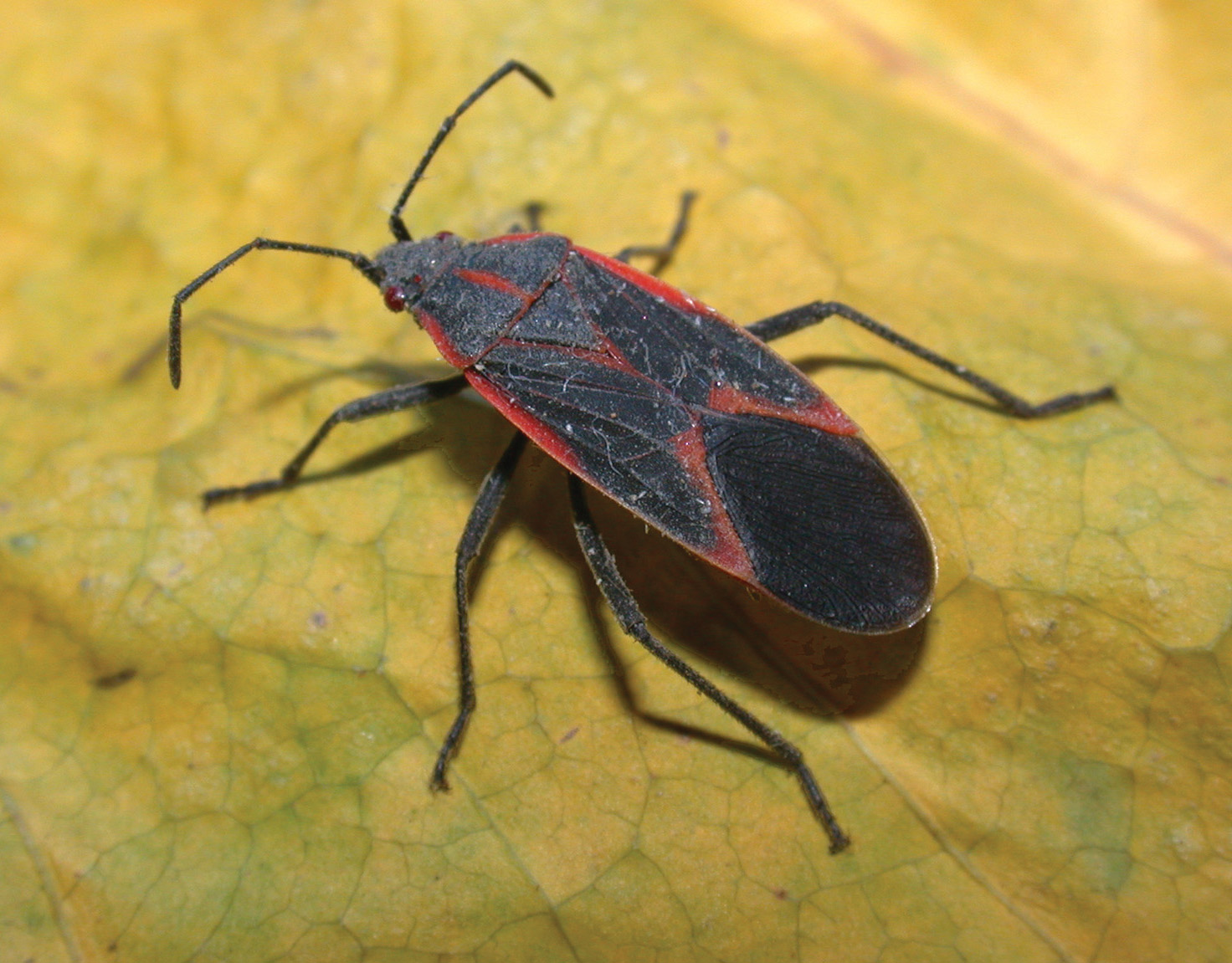
To comprehend the scope of pest control in Illinois, one must first familiarize themselves with the diverse range of pests that inhabit this region. The list is extensive, and it includes not only common household pests like ants, cockroaches, and termites but also encompasses wildlife nuisances such as raccoons, opossums, and skunks. In agricultural areas, crop-destroying pests like aphids and corn borers become a significant concern. Understanding the characteristics, habits, and life cycles of these pests is a crucial step in effective pest control. It’s a realm where knowledge is power, and property owners need to be well-armed.
Navigating the pest control landscape in Illinois requires a thorough understanding of the state’s regulatory framework, notably the Illinois Pesticide Act and the role of the Illinois Department of Agriculture.
Illinois Pesticide Act: This legislative cornerstone establishes the guidelines for pesticide usage within the state. It stipulates the registration and licensing of pesticide products, the certification of applicators, and the standards for applying pesticides. Property owners are bound by these regulations when utilizing pesticides, whether for agricultural, residential, or commercial purposes. The Act aims to ensure that pest control is conducted with the utmost care, minimizing risks to human health and the environment.
Role of the Illinois Department of Agriculture: The Illinois Department of Agriculture plays a pivotal role in overseeing and enforcing pest control regulations. It conducts inspections, issues licenses, and ensures compliance with the Illinois Pesticide Act. Property owners must align their pest control practices with the guidance and mandates of this department to operate within the boundaries of the law.
In the realm of pest control, identifying permissible and restricted pesticides is a pivotal step for property owners in Illinois. It’s a nuanced landscape where the choice of pesticides can significantly impact both the effectiveness of pest control and adherence to legal regulations. Let’s delve into the essential aspects of this topic to provide property owners with a clear roadmap in navigating the world of pest control products.
Property owners in Illinois have access to a range of pesticides that are legally allowed for use. These pesticides are approved for specific applications, and their use is governed by the Illinois Pesticide Act, ensuring that pest control is conducted safely and responsibly. Here are some key points to consider:
Pesticide Categories: Pesticides are typically categorized into insecticides, herbicides, and fungicides, among others. Each category serves a specific purpose, and property owners must select the appropriate category based on their pest control needs.
Approved Products: Property owners can choose from a variety of approved pesticide products available in the market. These products undergo rigorous testing and evaluation to meet safety and efficacy standards. It’s crucial to select products that are explicitly labeled for the intended use.
Application Methods: Pesticides can be applied in various ways, including sprays, baits, and dusts. The choice of application method depends on the type of pest, the target area, and the product’s instructions. Property owners must follow the manufacturer’s guidelines to ensure proper application.
The purchase and use of pesticides in Illinois are subject to stringent regulations designed to protect human health and the environment. Understanding these regulations is essential for property owners to avoid legal repercussions and safeguard the well-being of their surroundings. Here’s a breakdown of key regulatory aspects:
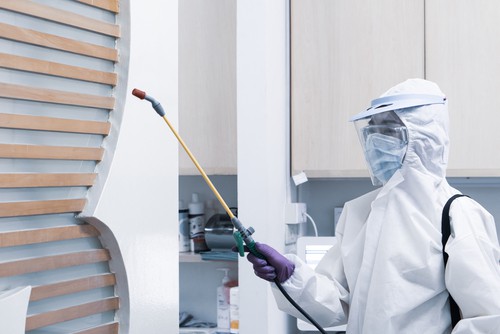
Licensed Applicators: In some cases, property owners may need to engage the services of licensed pesticide applicators, especially for more complex pest control situations. Licensed applicators have the expertise to handle pesticides safely and effectively, reducing the risk of accidents or misuse.
Record-Keeping: Property owners using pesticides are often required to maintain records of pesticide purchases and applications. These records serve as a trail of accountability and are vital in case of inspections or compliance checks.
Environmental Impact: Illinois pesticide regulations emphasize the importance of minimizing the environmental impact of pesticide use. Property owners must be cognizant of factors like weather conditions, application rates, and potential runoff to prevent harm to non-target species and water sources.
Property owners seeking approved pesticides for their pest control needs have several avenues to explore. It’s crucial to obtain pesticides from reputable sources to ensure product quality and efficacy. Here’s where property owners can find approved pesticides:
Garden Centers and Hardware Stores: Many garden centers and hardware stores in Illinois stock a selection of approved pesticides for common residential pests. Property owners can consult with knowledgeable staff to make informed choices.
Online Retailers: The convenience of online shopping extends to pesticide procurement. Property owners can find a wide range of approved products through online retailers, often with detailed product descriptions and customer reviews.
Professional Pest Control Services: In situations where pest infestations are severe or complex, property owners may opt to hire professional pest control services. These experts have access to a broader range of pesticides and the expertise to use them effectively.
In the dynamic landscape of pest control in Illinois, identifying permissible and restricted pesticides is a critical element of responsible pest management. Property owners must not only select the right products but also adhere to regulations and safety practices to maintain a pest-free environment without compromising human health or the ecosystem. With these guidelines in hand, property owners can make informed choices and effectively address pest-related challenges in compliance with the law.
When it comes to managing pest infestations, property owners in Illinois, like elsewhere, are confronted with a plethora of options to choose from. In the dynamic domain of pest control, it is crucial to explore various methods, both chemical and non-chemical, that can effectively combat unwanted pests. This comprehensive examination delves into these diverse approaches, weighing the advantages and disadvantages of each, while emphasizing the paramount importance of opting for environmentally friendly pest control methods.
Chemical Methods:
Non-Chemical Methods:
In an era where environmental sustainability is of paramount importance, opting for environmentally friendly pest control methods is a choice that resonates with both ecological responsibility and long-term efficacy. Embracing these methods not only safeguards the environment but also protects the health and well-being of humans and pets. Here’s why it’s crucial:
Navigating the world of wildlife and nuisance animal control on your property in Illinois is a multifaceted task, encompassing a realm of regulations, permits, and ethical considerations. As property owners, it is imperative to recognize the balance between protecting your property and respecting the local ecosystem. In this comprehensive exploration, we delve into the regulations and permits required when dealing with nuisance wildlife, along with the ethical handling of situations to ensure compliance with the law while fostering harmony with nature.
The state of Illinois, like many others, has established a set of regulations and permit requirements for dealing with nuisance wildlife. These measures are in place to safeguard both property owners and the wildlife that inhabit the region. Key points to consider include:
Species-Specific Regulations: Illinois categorizes wildlife species into game animals, protected species, and those that are neither. The handling of each category is subject to distinct regulations, with game animals often requiring hunting or trapping permits.
Trapping and Relocation: Property owners may require permits for trapping and relocating nuisance wildlife. The laws are stringent, emphasizing humane treatment and preventing harm to the animals.
Property Rights: While property owners have the right to protect their homes and gardens from wildlife damage, these rights must align with the regulations and permit requirements. It’s a delicate balance that respects both property rights and wildlife conservation.
Responsible nuisance wildlife control extends beyond legal requirements and ventures into the realm of ethics and coexistence with nature. Property owners can adopt ethical practices that ensure the welfare of wildlife without violating any laws:
Prevention First: Implementing preventative measures is often the most humane and effective way to address wildlife issues. Installing barriers, sealing entry points, and modifying habitats can deter wildlife from causing nuisances in the first place.
Hiring Professionals: In situations involving potentially dangerous wildlife, such as venomous snakes or rabid animals, it’s best to hire professional wildlife removal services. These experts have the knowledge and equipment to handle wildlife safely.
Humane Trapping: When trapping is necessary, property owners must use humane traps that do not cause undue suffering to captured animals. Checking traps regularly and releasing animals promptly is essential.
Legal Relocation: If relocation is required, property owners must follow the regulations and permit requirements, ensuring that wildlife is released in suitable habitats where their survival is not compromised.
Educating Others: Raising awareness about ethical wildlife control practices within the community is vital. Sharing knowledge on prevention and humane treatment can lead to a more informed and considerate approach to wildlife management.

When it comes to managing pest issues that have escalated beyond your control, seeking the expertise of professional pest control services in Illinois is often the wisest course of action. These professionals bring a wealth of benefits to the table, from their in-depth knowledge of pests to their access to advanced tools and methods. In this comprehensive exploration, we delve into the advantages of enlisting professional pest control services, provide guidance on choosing reputable providers in Illinois, and underscore the significance of working with licensed and certified pest control professionals.
Expert Knowledge: Pest control professionals possess a deep understanding of local pests, their behaviors, and the most effective ways to combat them. This knowledge allows for precise and targeted pest management.
Customized Solutions: They tailor their approach to your specific pest problem, taking into account factors like the type of pest, the level of infestation, and the unique characteristics of your property. This ensures a solution that suits your needs.
Safety: Pest control often involves the use of chemicals, which can pose risks to human health and the environment if mishandled. Professionals are trained to apply treatments safely, minimizing any potential hazards.
Efficiency: Their experience and access to specialized equipment and products result in quicker and more effective pest elimination. This can save you time, money, and stress in the long run.
Preventative Measures: Professionals don’t just address existing pest problems; they also offer guidance on preventive measures to keep pests at bay in the future. This proactive approach can prevent re-infestations.
Selecting a reputable pest control service in Illinois is a crucial step in effective pest management. Here’s how to go about it:
Research: Start by conducting thorough research. Look for companies with a proven track record of successful pest control and positive customer reviews. Online platforms, referrals from neighbors, and local business directories are valuable resources for your search.
Licensing and Certification: Ensure that the pest control company is licensed and certified to operate in Illinois. Licensing is a clear indication of their compliance with state regulations and their commitment to professional standards.
Insurance: Confirm that the service provider has insurance coverage. This is essential in case of any accidental damage to your property during pest control procedures.
Service Specialization: Different pest control companies may specialize in certain types of pests or areas. Choose a service that aligns with your specific pest problem, whether it’s rodents, insects, or wildlife.
Initial Assessment: A reputable company will conduct an initial assessment of your property to evaluate the extent of the pest issue and the best course of action. Be wary of services that offer immediate, one-size-fits-all solutions without assessing the situation.
Working with licensed and certified pest control professionals is not just a preference; it’s a necessity. Here’s why:
Legal Compliance: Licensed professionals are well-versed in state regulations and operate within the confines of the law, ensuring that pest control is conducted responsibly.
Expertise: Certification signifies that the professionals have undergone training and possess the knowledge and skills required for effective and safe pest control.
Accountability: Licensed professionals are accountable for their actions. If any issues or disputes arise, you have recourse through the licensing authority.
Safety: Pest control often involves the use of chemicals, which can be hazardous if not handled correctly. Certified professionals are trained to apply treatments safely, reducing risks to human health and the environment.

In an era where sustainability and eco-conscious living are at the forefront of our choices, property owners in Illinois who seek organic and sustainable pest control methods find themselves at the intersection of responsible pest management and environmental stewardship. This special consideration for organic and sustainable pest control goes beyond traditional approaches, emphasizing solutions that are not only effective but also harmonious with the ecosystem. Here, we explore the options and considerations for property owners who prefer these eco-friendly methods, offering resources and tips to implement them seamlessly.
Property owners have an array of choices when it comes to organic and sustainable pest control. These methods prioritize the use of natural, non-toxic, and environmentally friendly alternatives. Here’s what to consider:
Biological Control: This approach introduces natural predators or parasites to control pest populations. For example, ladybugs can be released to combat aphids in gardens, offering a chemical-free solution.
Organic Pesticides: Organic pesticides, derived from natural sources, can effectively control pests while minimizing harm to non-target species. They are less harmful to the environment and often degrade more quickly.
Cultural Control: This strategy involves altering the environment to make it less conducive to pests. For instance, rotating crops or using pest-resistant plant varieties in gardening can deter pests.
Mechanical Control: Implementing physical barriers like nets, screens, or traps to keep pests at bay is an eco-friendly choice. This method avoids the use of chemicals and is particularly useful for certain pests like rodents.
Identify the Pest: The first step in eco-friendly pest control is to accurately identify the pest species and understand its behavior. Knowing your adversary enables you to choose the most effective eco-friendly method.
Prevention: The cornerstone of sustainable pest control is prevention. Adopt practices that discourage pests, such as maintaining good hygiene, sealing entry points, and minimizing standing water that attracts mosquitoes.
Beneficial Insects: Attracting or releasing beneficial insects like pollinators and natural predators can help maintain a balanced ecosystem. Encourage biodiversity in your garden to support these allies.
Plant Selection: Opt for pest-resistant plant varieties that naturally deter pests. This reduces the need for chemical intervention.
Composting: Utilize composting techniques to enrich your soil. Healthy, nutrient-rich soil fosters strong plants that are less susceptible to pests.
Organic Pesticides: When organic pesticides are necessary, choose products that are certified organic and specifically designed for the target pest. Read and follow the instructions diligently.
Regular Monitoring: Keep a close eye on your property for any signs of pest activity. Early detection can prevent infestations from taking hold.
Consult Professionals: Seek guidance from experts in organic and sustainable pest control. These professionals can provide valuable insights and solutions tailored to your unique situation.
Opting for organic and sustainable pest control methods aligns with a broader commitment to environmental well-being. It offers several key advantages:
Reduced Chemical Footprint: Eco-friendly methods minimize the use of harmful chemicals, reducing environmental contamination and safeguarding non-target species.
Healthier Ecosystem: These methods contribute to a healthier and more balanced local ecosystem. They support biodiversity and protect beneficial organisms.
Safe for Residents: Property owners can rest easy knowing that their chosen pest control approach doesn’t pose undue risks to their health or the well-being of their family and pets.
Sustainable Practices: Organic and sustainable pest control practices promote a long-term, sustainable approach to managing pests that doesn’t compromise the future of our environment.

Dealing with a pest infestation can be a daunting challenge for property owners in Illinois, and it often requires a strategic and proactive approach to mitigate the issue effectively. When facing a severe pest infestation, early detection and intervention are paramount. Here, we offer comprehensive guidance on what to do in the case of a severe pest infestation, underscore the significance of early detection, and provide steps to take if initial pest control efforts do not yield the desired results.
Identify the Pest: The first step is to accurately identify the pest causing the infestation. Different pests require specific control methods, so knowing your adversary is crucial.
Document the Infestation: Take clear photographs and notes to document the extent of the infestation. This documentation will be valuable when seeking professional help or discussing the issue with experts.
Contact Pest Control Professionals: For severe infestations, it’s often best to consult with pest control professionals who have the expertise and tools to address the problem effectively. They can conduct a thorough assessment and devise a customized pest management plan.
Temporary Measures: While awaiting professional assistance, you can implement temporary measures to minimize the impact of the infestation. This might include sealing entry points, removing food sources, or using non-toxic traps.
Early detection and intervention are fundamental in pest control for several reasons:
Prevent Escalation: Addressing a pest problem at its onset prevents it from escalating into a severe infestation, which can be more challenging and costly to manage.
Health and Safety: Pests can pose health risks and damage property. Early intervention safeguards the well-being of residents and prevents property damage.
Cost-Efficiency: Dealing with an infestation in its early stages is more cost-effective. Severe infestations often require extensive measures, which can be pricier.
Environmentally Friendly: Early intervention usually involves less reliance on chemicals, which is better for the environment.
Reevaluate the Strategy: If your initial pest control efforts are not effective, it’s time to reevaluate your strategy. Consider factors like the choice of treatment, application methods, and whether you’ve followed instructions correctly.
Professional Consultation: If you continue to struggle with the infestation, seek the expertise of pest control professionals. They can re-assess the situation and adjust the treatment plan as necessary.
Consider Integrated Pest Management (IPM): IPM is a holistic approach to pest control that combines various strategies, including prevention, monitoring, and treatment. It emphasizes long-term solutions rather than quick fixes.
Maintain Hygiene: Good hygiene practices play a crucial role in pest control. Continue to eliminate food sources, keep living spaces clean, and address any moisture issues that may attract pests.
Stay Informed: Stay informed about the latest pest control methods and technologies. Advancements in pest management may offer more effective solutions for your specific issue.
Understanding the Legal Consequences of Unlawful Pest Control in Illinois
Pest control is a critical concern for property owners in Illinois, but it’s equally important to ensure that the methods used are compliant with state regulations. Using unapproved pesticides or methods can have severe legal consequences. In this section, we will delve into the potential legal ramifications of unlawful pest control, discuss the penalties for violating Illinois pest control laws, and emphasize the significance of compliance to avoid legal troubles.
Potential Legal Consequences:
Environmental Impact: Using unapproved pesticides may result in unintended harm to the environment, including soil and water contamination. Such actions can lead to legal actions or fines for environmental damage.
Health Concerns: Unlawful pest control methods may endanger human health, particularly when toxic chemicals are misused or misapplied. This can result in lawsuits or penalties for health-related issues.
Property Damage: Ineffective or improper pest control techniques can lead to property damage. Property owners could face legal action if their actions or negligence cause harm to neighboring properties.
Lawsuits: Individuals affected by unlawful pest control practices, whether due to health concerns, property damage, or other reasons, may pursue legal action against the responsible parties.
Penalties for Violating Illinois Pest Control Laws:
Fines: Illinois imposes fines on individuals or entities found guilty of violating pest control laws. The fines can vary based on the nature and extent of the violation.
Civil Penalties: Property owners using unapproved pesticides or failing to follow proper pest control procedures may face civil penalties. These penalties can include paying restitution to affected parties.
Criminal Charges: In extreme cases of severe environmental damage or endangerment to human health, criminal charges may be filed against the responsible parties. This can lead to imprisonment, substantial fines, or both.
License Revocation: Pest control professionals operating without the required licenses or certifications can have their credentials revoked, preventing them from legally practicing pest control in the state.
Importance of Compliance:
Compliance with Illinois pest control laws is not merely a matter of legal obligation; it is crucial for several reasons:
Environmental Protection: Compliant pest control practices are designed to minimize harm to the environment, ensuring the preservation of natural resources and the health of ecosystems.
Public Health and Safety: Adhering to approved pest control methods is essential for safeguarding the well-being of residents and protecting public health. This includes preventing the spread of diseases carried by pests.
Avoiding Legal Troubles: Compliance with pest control regulations is the most effective way to prevent legal issues, fines, and legal actions that can be costly and damaging to one’s reputation.
Responsible Stewardship: Property owners in Illinois have a role to play in the responsible stewardship of the environment. By complying with pest control laws, they contribute to a more sustainable and harmonious community.
In conclusion, while pest control is a pressing concern for property owners in Illinois, it’s imperative to approach it with legality and responsibility in mind. Understanding the potential legal consequences of unlawful pest control, the penalties for violating state laws, and the importance of compliance is vital. By adhering to approved methods and regulations, property owners not only protect their legal interests but also contribute to a safer, healthier, and more environmentally conscious community. Compliance is the cornerstone of responsible pest control in the Land of Lincoln.