

 Eliminex pest Control Inc. is dedicated to environmentally responsible pest control practices. Our seasoned professionals use extreme caution around your family and property while insuring positive results. See More
 The commercial marketplace is where our pest control technicians experience and expertise shines through. Eliminex Pest Control technicians have the necessary knowledge, desire and pride to do the job right the first time!
 See More
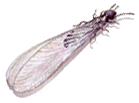 Our termite control division utilizes every tool necessary to eliminate termites from your house and property. By employing the latest baiting techniques we complete the job with little impact on the environment.
See More

Bed Bugs are back with a vengeance! It takes a professional company with extensive experience to eliminate these pests from your home. Eliminex Pest Control uses every tool at our disposal to rid your property of these annoying pests.
See More
Bed Bug Information
Cryonite Bed Bug Freezing Services Bed Bug Control | Bed Bug Pictures Scientific Names:The common Bed Bug: Cimex lectularius L., |
Over 50 years ago bedbugs were commonplace in the United States and controlled only by spraying beds and walls with DDT. During World War II Improvements in hygiene also helped to eliminate the bedbug epidemic. Bedbugs were still thriving in other regions of the world such as, Asia, Europe and Australia however. Bedbugs have been on the increase over the last 10 years in the United States affecting homes, apartments, hotels, motels and transportation, contributed largely to immigration and international travel. Bedbugs are now being found in hospitals, nursing homes, and movie theaters.
Entomologists believe that bedbugs evolved from the “bat bug”, a parasite that lived in caves and fed on the blood of bats. When humans moved into caves for shelter, a new species developed. These insects are mentioned as far back as in Greek writings at the time of Aristotle.
Appearance:
Bedbugs are small, brownish, flat insects that feed on the blood of animals. Bedbugs can feed on a variety of hosts including, bats, pets, birds, etc. Adults are 1/8th inch long and oval. Bedbugs are efficient hitchhikers and are usually transported by luggage, clothing, and transportation.
Habits: Bedbugs usually bite at night on a sleeping host and it is believed that this occurs between 4AM and 6AM although bedbugs can feed anytime should a host be available and a blood meal is needed. Unlike bites from fleas or mosquitoes, bedbugs do not bite just the ankles or arms but anywhere skin is exposed. Biting victims are seldom aware that they have been bitten until some reaction occurs like an itch or welt appearing. This is sometimes why an infestation elevates before bedbugs are detected. People often realize that there is a bedbug problem by discovering the insect. Be aware that bed bugs can feed on family pets such as dogs, cats, birds and hamsters when humans are not available.
Bedbugs do not fly but can move very quickly over floors, walls, and ceilings. Female bedbugs lay their eggs in secluded, protected areas. New eggs are sticky and help to keep the eggs in place. Eggs are tiny, whitish, hard to see and about the size of a speck of dust. Females will generally migrate away from where bedbugs congregate to lay her eggs in order to avoid male bedbugs from continued copulation. This is why treatments have to be so thorough. Females may lay eggs in areas up to 50 feet or more away from where they are feeding on a host. The female bed bug can survive without a blood meal for over 400 days!
Control: It is important to enlist the services of a professional pest control firm to control bedbugs. Pest Control firms employing a staff Entomologist is always recommended and a K-9 bed bug detection service is helpful in determining bed bug Elimination.
Bed bug elimination requires hard work and you must leave no stones unturned or they will quickly rebound in population. Control strategies for Bedbug control require a good inspection with a bright flashlight and a strong knowledge of the biology and behavior of bedbugs. All bed frames, box springs and mattresses need to be closely examined, vacuumed, heat treated and encased in bed bug proof mattress encasements.Furniture near the beds needs to be emptied and thoroughly inspected including the under sides of night stands and dressers.
Wall moldings, electrical outlets, the seams of wallpaper and the edges of carpeting also need to be inspected and treated. Don’t forget the living room and laundry rooms as well. Bedbugs will live inside couches, lounges and other seating. Bed bugs can be brought into the laundry room with the daily laundry.


 Eliminex Pest Control Inc. pest control technicians are thoroughly trained industry veterans that take the time and care necessary to insure the unprecedented results. As always, all of our pest control services come with a 100% satisfaction guarantee.